
NAMUR Mounting Pad for Hydraulic & Scotch Yoke Actuator Accessories
2026-06-27 Blog
In today’s industrial landscape, standardization drives efficiency across all sectors.For fluid control systems, consistent mounting interfaces reduce downtime and costs.Specifically, the NAMUR mounting pad represents one critical standard in valve automation.Originally developed for the process industry, this interface now serves many markets.Across oil and gas to water treatment, engineers rely on its universal design.Furthermore, this guide explores technical details and practical benefits of NAMUR solutions.Throughout the following sections, readers will gain clear insights into key aspects.In particular, we cover compatibility, material selection, and installation best practices.
Understanding the NAMUR Standard for Actuator Mounting
First, let us clarify what NAMUR actually means in practical engineering terms.Specifically, NAMUR stands for the German Association for Measurement and Control Technology.This organization develops standards that simplify component interchangeability across brands.
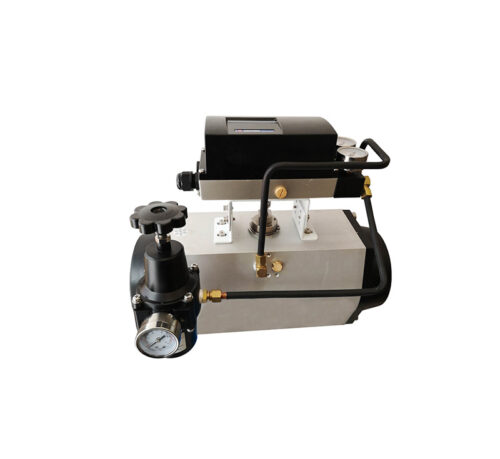
For example, the mounting pad standard defines precise hole patterns and dimensional tolerances.As a result, components from different manufacturers fit together without modification.This interoperability saves engineering hours and reduces overall supply chain complexity.Procurement teams additionally benefit from a wider range of qualified supplier options.Maintenance teams similarly can replace parts quickly during unexpected equipment failures.
Core Design Features of NAMUR Mounting Pads
Moving to design specifics, the mounting pad follows a rectangular bolt pattern.Typically, four or eight bolt holes secure the accessory to the drive unit.Furthermore, the pattern includes precise centering features for accurate alignment.Additionally, standardized drive shaft connections ensure consistent torque transfer.Most pads include a flat, machined surface for stable and secure mounting contact.
Some designs meanwhile incorporate o-ring grooves for improved environmental sealing.These features work together to create a robust and highly reliable interface.Importantly, the design accommodates both clockwise and counterclockwise rotation directions.Manufacturers offer various size classes to match different torque output requirements.Each size class corresponds to specific valve dimensions and performance application needs.
Hydraulic and Scotch Yoke System Compatibility
Turning to system compatibility, NAMUR pads work with multiple drive mechanism types.Hydraulic systems benefit greatly from the pad’s high load-bearing capacity design.Scotch yoke mechanisms in particular pair well with this mounting interface standard.These yoke systems convert linear hydraulic motion into rotational valve movement.The NAMUR interface provides a solid foundation for this critical force transfer.Moreover, the standard supports both double-acting and spring-return configurations.
Engineers can add accessories like limit switches or positioners without custom adapters.This flexibility makes the standard highly versatile across different industrial applications.System integrators see fewer custom parts and faster overall project delivery times.End users similarly enjoy simpler upgrades and retrofits over the equipment lifecycle.
Material Selection for Harsh Industrial Environments
Next, we examine material options for demanding operating conditions and environments.Carbon steel with protective coating suits most general industrial application needs.Corrosive environments alternatively call for stainless steel 316 for excellent resistance.Offshore and marine applications often require this higher-grade material specification.Some manufacturers alternatively offer coated aluminum for weight-sensitive design projects.
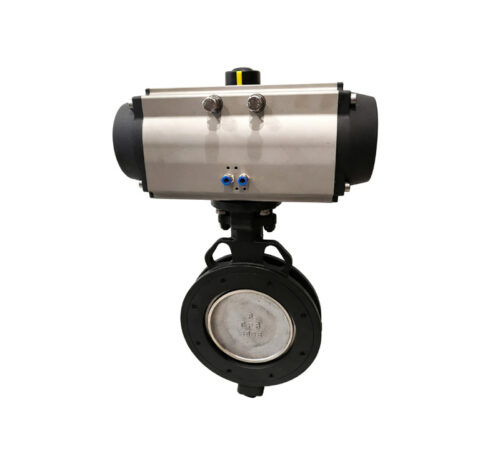
Each material choice balances cost, durability, and environmental compatibility factors.Procurement specialists should consider both initial cost and long-term lifecycle factors.Sealing materials must additionally match the process fluid and temperature range requirements.Nitrile seals work for standard temperatures, while Viton handles higher heat conditions.Proper material selection extends service life and reduces overall maintenance frequency.
Installation Best Practices and Maintenance Tips
Shifting focus to installation, proper alignment prevents premature component wear.Technicians should clean all mating surfaces before assembling the connected components.They should also apply appropriate torque values to each individual mounting bolt.Following a crisscross tightening pattern ensures even pressure distribution across the pad.After installation, personnel should verify free movement without binding or resistance.Regular inspection furthermore helps catch potential issues before they cause failures.
Maintenance teams should check bolt tightness during scheduled service interval visits.They should also inspect seals for signs of degradation or fluid leakage problems.Lubrication requirements vary by specific application and manufacturer specification guidelines.Documenting all maintenance activities supports reliable long-term equipment performance.
Industry Applications and Use Cases
Beyond basic functionality, NAMUR mounting pads serve diverse industrial sectors worldwide.The oil and gas sector for instance uses these components for critical valve operations.Petrochemical and chemical plants rely on them for consistent process control systems.Industrial gas facilities similarly use them to maintain precise flow management practices.
Water treatment plants benefit from the standard’s corrosion-resistant material options.Pulp and paper mills deploy them in various stages of their production process lines.Metallurgy and steel manufacturing see pads withstand high temperatures and heavy loads.
Coal chemical and silicon chemical industries value their reliability in harsh environments.Mechanical manufacturing firms integrate them into custom fluid control system assemblies.EPC contractors and system integrators finally specify them for large-scale project work.
Conclusion and Value Summary
In summary, the NAMUR mounting pad delivers tangible value across multiple industries.Its standardized design reduces engineering effort and simplifies overall procurement processes.Compatibility with hydraulic and scotch yoke systems adds significant operational flexibility.
Careful material selection ensures reliable performance in even the harshest conditions.Proper installation and maintenance practices maximize service life and operational safety.Decision-makers find that investing in NAMUR-compliant components reduces total cost of ownership.The standard continues to evolve with new industrial requirements and emerging technologies.
Companies that adopt these standards position themselves for long-term efficiency improvements.Whether building new systems or upgrading existing ones, NAMUR mounting solutions deliver measurable benefits.Engineering, procurement, and maintenance teams all gain from this universal interface approach.Ultimately, the NAMUR standard remains a cornerstone of modern industrial valve automation.
Beliebte Produkte

Kontaktieren Sie uns
Adresse: Raum 203-1, 2. Stock, Block A, Nr. 9 Xinqin Road, Bezirk Xinwu, Stadt Wuxi, Provinz Jiangsu, Volksrepublik China
Mobil: 0086-188-5271-7918
Email:william@wxaccton.com
Website: www.actuator-china.com