
So überprüfen Sie den Hydraulikölstand in elektrohydraulischen Antrieben
2026-06-11 Blog
Die Einhaltung des richtigen Hydraulikölstands sorgt dafür, dass elektrohydraulische Stellantriebe zuverlässig funktionieren. Regelmäßige Überprüfungen beugen Geräteschäden und unerwarteten Ausfallzeiten vor. Dieser praktische Leitfaden führt Sie durch den gesamten Prüfprozess für industrielle Stellantriebe. Er richtet sich an alle technischen Mitarbeiter aus verschiedenen Industriebereichen.
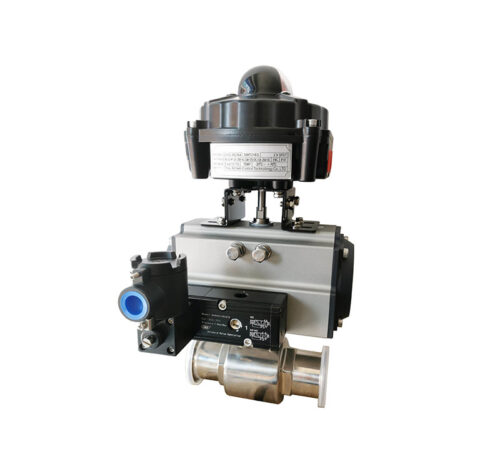
Vorbereitungen vor der Überprüfung des Flüssigkeitsstands
Stellen Sie den Stellantrieb zunächst auf eine stabile Unterlage, um genaue Messwerte zu erhalten. Ziehen Sie anschließend Sicherheitshandschuhe und eine Schutzbrille an, um mögliche Risiken zu vermeiden. Entfernen Sie dann Fremdkörper aus der Umgebung des Geräts, um eine ungehinderte Sicht zu gewährleisten. Vergewissern Sie sich außerdem, um welche Art von Hydraulikflüssigkeit es sich genau handelt, damit Sie diese später verwenden können. All diese Schritte tragen zu einer sicheren und zuverlässigen Arbeitsumgebung bei.
Suchen Sie die Füllstandsanzeige
Suchen Sie nach den Vorbereitungsarbeiten die Füllstandsanzeige auf der Antriebsseite. Je nach Modell kann es sich dabei um ein Schauglas oder einen Ölmessstab handeln. Wenn Sie sich unsicher sind, schlagen Sie bitte im offiziellen Herstellerhandbuch nach. Entfernen Sie unterdessen alle Hindernisse, um einen ungehinderten Zugang zur Anzeige zu gewährleisten. Die korrekte Positionierung gewährleistet präzise Messergebnisse.
Führen Sie den Standard-Niveautest durch
Sobald Sie den Anzeigenpunkt erreicht haben, beginnen Sie sofort mit Ihrer routinemäßigen Füllstandsprüfung. Bei einem Schauglas vergewissern Sie sich, dass der Füllstand zwischen der Mindest- und der Höchstmarkierung liegt. Bei einem Ölmessstab wischen Sie diesen vor dem erneuten Einführen und Ablesen sauber ab. Führen Sie diese Prüfung außerdem regelmäßig durch, um eine gleichbleibende Leistung zu gewährleisten. Schon kleine Details wie diese tragen dazu bei, die Gesamtlebensdauer Ihres Stellantriebs zu verlängern.
Bei niedrigem Füllstand Hydrauliköl nachfüllen
Sollte der Flüssigkeitsstand unter die Mindestmarke fallen, füllen Sie langsam die entsprechende Hydraulikflüssigkeit nach. Mischen Sie keine unterschiedlichen Flüssigkeitstypen, um chemische Schäden im Inneren des Geräts zu vermeiden. Überprüfen Sie zudem nach jeder kleinen Nachfüllung den Füllstand, um ein Überfüllen zu vermeiden. Ein Überfüllen führt später zu Druckfehlern und lästigen Flüssigkeitslecks. Durch sorgfältiges Nachfüllen schützen Sie das gesamte Hydrauliksystem wirksam.
Befolgen Sie die Verfahren nach der Inspektion
Nach dem Nachfüllen oder Überprüfen der Flüssigkeit sollten Sie den Antrieb zunächst auf sichtbare Undichtigkeiten untersuchen. Warten Sie anschließend kurz und überprüfen Sie den Flüssigkeitsstand erneut, um sicherzustellen, dass er stabil ist. Reinigen Sie als Nächstes den umliegenden Bereich, um eine Verunreinigung von außen zu verhindern. Lassen Sie den Antrieb abschließend kurz laufen, um den normalen Betriebszustand zu überprüfen. Diese abschließenden Schritte gewährleisten eine langfristige Betriebssicherheit.
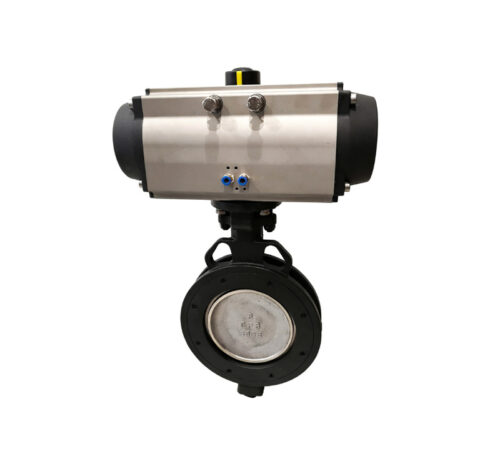
Die wichtigsten Vorteile einer regelmäßigen Flüssigkeitspflege
Kurz gesagt: Regelmäßige Überprüfungen der Hydraulikflüssigkeit sind für die Wartung von Stellantrieben von zentraler Bedeutung. Sie beugen teuren Reparaturen vor und verringern ungeplante Betriebsunterbrechungen. Gleichzeitig sorgt ein ordnungsgemäßes Flüssigkeitsmanagement dafür, dass die Flüssigkeitssteuerungssysteme im täglichen Betrieb stabil funktionieren. In Industrieanlagen trägt diese einfache Maßnahme erheblich zur Steigerung der allgemeinen Betriebseffizienz bei. Halten Sie sich an diese Schritte, um Ihre Stellantriebe in einem optimalen Betriebszustand zu halten.
Kontakt
Interessieren Sie sich für unseren Aktuator? Kontaktieren Sie uns jederzeit per E-Mail: william@wxaccton.com. Wir freuen uns auf Ihre Kontaktaufnahme!
Beliebte Produkte

Kontaktieren Sie uns
Adresse: Raum 203-1, 2. Stock, Block A, Nr. 9 Xinqin Road, Bezirk Xinwu, Stadt Wuxi, Provinz Jiangsu, Volksrepublik China
Mobil: 0086-188-5271-7918
Email:william@wxaccton.com
Website: www.actuator-china.com