
Can You Get 120° or 180° Rotational Actuator Versions
2026-07-13 Blog
Understanding Standard Rotation Angles in Industrial Valves
Most quarter-turn valves move through a 90-degree arc by default. In fact, this range covers the vast majority of process control needs. For this reason, standard drive units almost always ship with 90 degrees of rotation. Even so, many operations face situations that demand a wider sweep. Fortunately, manufacturers have answered this demand with flexible design options.
When 90 Degrees Fall Short: Special Rotation Needs
First, consider how a typical ball or butterfly valve operates. It opens fully at one quarter turn and closes at the opposite position. However, some damper designs require more travel to reach full stroke. Similarly, certain diverter valves need extra rotation to switch between flow paths. In these cases, a standard 90-degree unit simply cannot do the job. As a result, engineers often look for alternatives with greater angular range.
Key Applications for 120° Rotational Movement
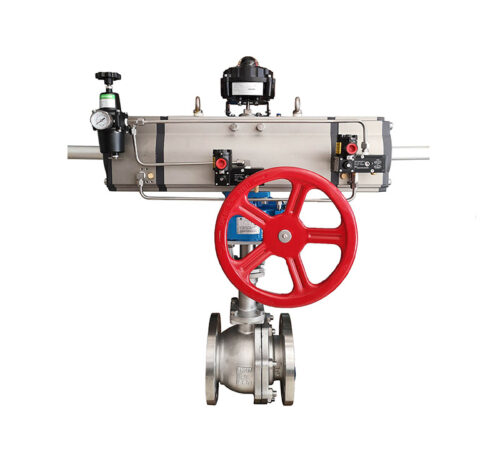
For example, 120-degree rotation works well for three-way diverter valves. These valves redirect flow between two outlets with a single moving element. Because of the extra 30 degrees, the internal ports align more precisely. In addition, some specialty ball valves use this range for better throttling control. Petrochemical and refining plants frequently specify this setup for blending services. Overall, this mid-range option strikes a balance between travel and torque output.
Key Applications for 180° Rotational Movement
On the other hand, 180-degree rotation serves an entirely different set of needs. For instance, some double-offset butterfly valves require full half-turn movement. Likewise, certain damper systems in HVAC and exhaust systems use this range. Water treatment facilities also rely on it for large sluice gate mechanisms. Furthermore, some multi-port valve designs depend on this wider arc for proper sequencing. In short, 180-degree units handle the most demanding travel requirements.
Custom Solutions: Fact or Fiction?
Naturally, you may wonder whether these versions exist as off-the-shelf products. The short answer is yes, but availability varies by manufacturer and model. Many reputable suppliers offer 120-degree and 180-degree variants in their catalogs. However, lead times and pricing often differ from standard 90-degree units. In some cases, you may need to request a modified or custom-built configuration. Either way, you should always confirm specifications with your supplier before ordering.
What to Consider Before You Specify
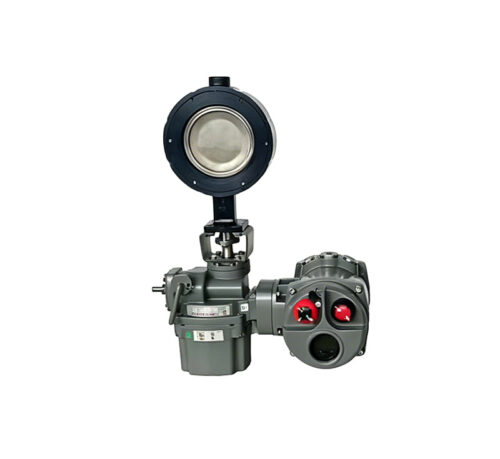
Before making a selection, you should evaluate several critical factors. First, confirm the exact rotation angle your application requires. Second, calculate the required torque at both opening and closing positions. Third, check whether the mounting pattern matches your existing valve interface. Fourth, review the pressure and temperature ratings for your operating conditions. Finally, consider the power source—whether pneumatic, electric, or hydraulic. Taking these steps upfront will save you time and costly rework later.
Making the Right Choice for Your Operation
In conclusion, 120-degree and 180-degree rotational actuator versions are indeed available. They serve specific industrial needs that standard 90-degree units cannot address. Whether you work in oil and gas, chemical processing, or water treatment, you can find a suitable option. Just remember to match the rotation range precisely to your valve requirements. And always partner with a trusted supplier who can verify performance data. With careful planning, you can select the right unit for reliable, long-term operation.
Beliebte Produkte

Kontaktieren Sie uns
Adresse: Raum 203-1, 2. Stock, Block A, Nr. 9 Xinqin Road, Bezirk Xinwu, Stadt Wuxi, Provinz Jiangsu, Volksrepublik China
Mobil: 0086-188-5271-7918
Email:william@wxaccton.com
Website: www.actuator-china.com