
How do I verify the actuator is correctly sized for my valve?
2026-06-23 Blog
When selecting actuators for industrial valves, proper sizing is critical to ensure optimal performance and longevity. Incorrect sizing can lead to inefficiencies, excessive wear, or even catastrophic failure. Understanding how to verify the actuator is correctly sized for your valve involves several key considerations. This article provides a comprehensive guide to help procurement managers, equipment specialists, and engineers make informed decisions.
Importance of Correct Actuator Sizing
Correct actuator sizing ensures the valve operates within its design parameters. An oversized actuator can cause unnecessary stress on the valve mechanism, while an undersized one may fail to move the valve adequately. The consequences of improper sizing can be costly, affecting both operational efficiency and maintenance schedules. Proper sizing also contributes to energy savings by reducing the load on the system. Therefore, verifying the correct size is a fundamental step in valve selection.
Factors to Consider When Sizing Actuators
Several factors must be evaluated to determine the appropriate actuator size. These include the valve type, operating pressure, flow rate, and actuator torque requirements. The valve’s material and design also play a role in determining the necessary force. Additionally, environmental conditions such as temperature and humidity should be considered. By analyzing these factors, engineers can select an actuator that meets the specific needs of the application.
Calculating Required Torque
To verify the correct actuator size, calculating the required torque is essential. The torque needed depends on the valve’s opening and closing force, which is influenced by the pressure differential across the valve. Formulas and engineering handbooks provide methods to calculate the necessary torque. Accurate calculations ensure the actuator can handle the valve’s operational demands without excessive strain.
Considering Valve Type and Design
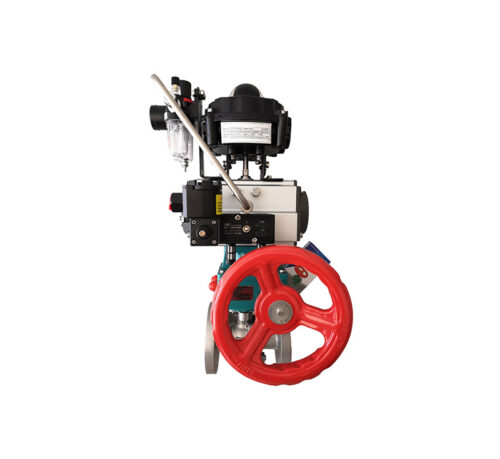
Different valve types require different actuator designs. For example, globe valves and ball valves have distinct actuator requirements. The actuator must be compatible with the valve’s design to ensure smooth operation. Additionally, the actuator’s stroke length should match the valve’s travel requirements. Proper compatibility prevents leaks and ensures the valve functions as intended.
Environmental and Operational Conditions
Environmental factors significantly impact actuator performance. High temperatures may require actuators with thermal compensation features. Similarly, corrosive environments necessitate materials that resist degradation. Operational conditions, such as cycling frequency, also influence the actuator’s design. Selecting an actuator that can withstand these conditions ensures reliable performance over time.
Testing and Validation
After selecting an actuator, testing and validation are crucial steps. Bench testing can verify the actuator’s performance under controlled conditions. Field testing ensures the actuator operates effectively in real-world scenarios. These tests help identify potential issues before full-scale implementation. Proper testing provides confidence in the actuator’s sizing and performance.
Fazit
Proper actuator sizing is essential for valve performance and longevity. By considering factors such as valve type, operating pressure, and environmental conditions, engineers can select the correct actuator. Calculating required torque and validating performance through testing ensure the actuator meets the application’s demands. Making informed decisions about actuator sizing leads to more efficient, reliable, and cost-effective valve systems.
Value Proposition for Industrial Applications
Investing in correctly sized actuators offers significant benefits for industrial applications. Reduced maintenance costs, improved energy efficiency, and enhanced operational reliability are key advantages. By following the guidelines outlined in this article, procurement managers and engineers can make confident selections that optimize valve performance. Proper actuator sizing ultimately contributes to the overall success of industrial projects.
keyword: actuator sizing, valve selection, torque calculation, industrial valves, actuator compatibility, environmental conditions, valve performance, fluid control systems
Beliebte Produkte

Kontaktieren Sie uns
Adresse: Raum 203-1, 2. Stock, Block A, Nr. 9 Xinqin Road, Bezirk Xinwu, Stadt Wuxi, Provinz Jiangsu, Volksrepublik China
Mobil: 0086-188-5271-7918
Email:william@wxaccton.com
Website: www.actuator-china.com