
Wie viel wiegt ein typischer elektrohydraulischer Stellantrieb?
2026-06-18 Blog
Electro-hydraulic actuators are critical components in various industrial applications. Understanding their typical weight is essential for proper selection and integration into systems. These devices convert electrical energy into hydraulic power, enabling precise control of machinery. The weight of an electro-hydraulic actuator depends on several factors, including size, design, and intended use. This article explores the typical weight range, influencing factors, and practical considerations for selecting the right actuator.
Factors Influencing Electro-Hydraulic Actuator Weight
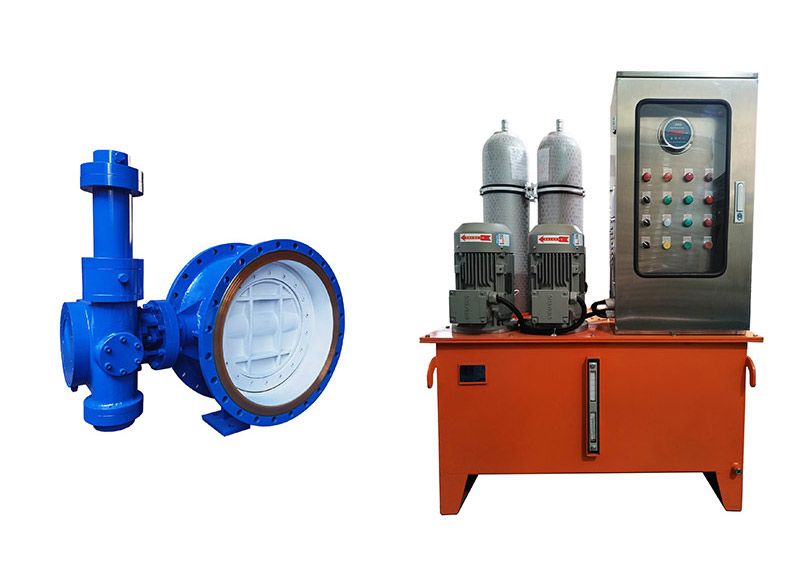
The weight of an electro-hydraulic actuator is determined by multiple variables. Size is a primary factor; larger actuators generally weigh more due to increased fluid capacity and structural components. Material selection also plays a significant role. High-strength materials may be required for heavy-duty applications, adding to the overall weight. Additionally, the complexity of the design can impact the final weight. Actuators with advanced features or integrated controls tend to be heavier.
Typical Weight Range of Electro-Hydraulic Actuators
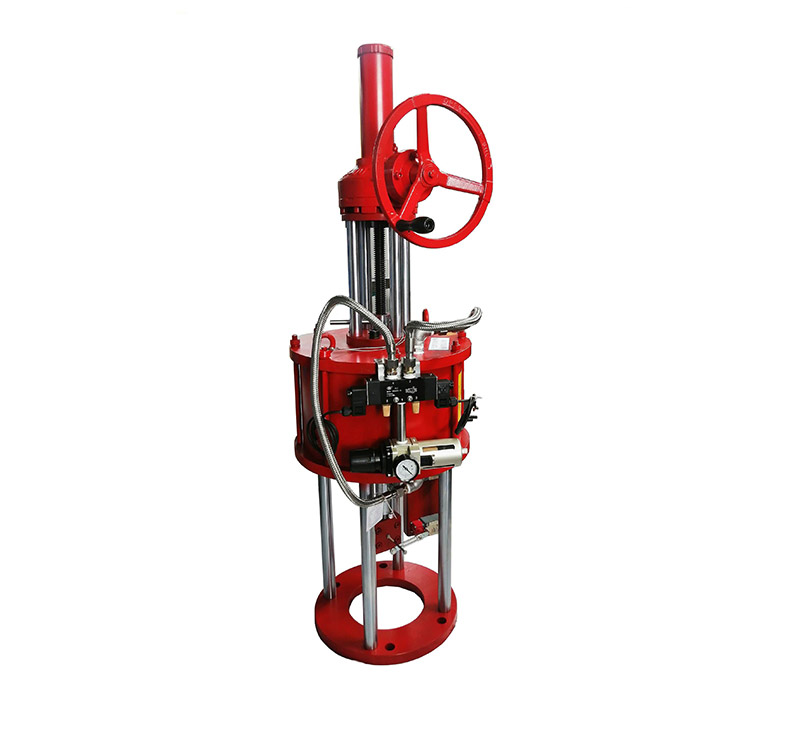
Electro-hydraulic actuators typically weigh between 50 and 500 pounds. Light-duty models used in laboratory settings or precision machinery may weigh less than 100 pounds. Medium-duty actuators, common in industrial machinery, often fall between 100 and 300 pounds. Heavy-duty actuators, such as those used in construction or maritime applications, can exceed 300 pounds. These weight ranges provide a general guideline for selecting the appropriate actuator for specific needs.
Practical Considerations for Weight Selection
When selecting an electro-hydraulic actuator, weight must be carefully considered. The weight affects installation requirements, including mounting hardware and space constraints. In applications where weight is a critical factor, lightweight models with high strength-to-weight ratios may be preferred. Additionally, the weight influences transportation and handling costs. Heavier actuators require specialized equipment for moving and installation, increasing overall project expenses.
Applications and Weight Requirements
Different industries have unique weight requirements for electro-hydraulic actuators. In the petroleum and chemical sector, actuators must withstand harsh environments and heavy loads, often resulting in heavier models. Water treatment facilities may require lighter actuators for delicate control systems.造纸 and metallurgical industries often need actuators with balanced weight for efficient operation. Understanding the specific demands of the application helps in selecting the right weight class for optimal performance.
Fazit und Wertversprechen
Selecting the correct weight for an electro-hydraulic actuator ensures efficient and reliable operation. By considering factors such as size, material, and application, businesses can make informed decisions. Proper selection reduces installation challenges, lowers maintenance costs, and improves overall system performance. For industries like oil and gas, chemical processing, and industrial automation, choosing the right actuator weight is crucial for long-term success. Consulting with experts can provide additional insights into optimizing actuator selection for specific needs.
Beliebte Produkte

Kontaktieren Sie uns
Adresse: Raum 203-1, 2. Stock, Block A, Nr. 9 Xinqin Road, Bezirk Xinwu, Stadt Wuxi, Provinz Jiangsu, Volksrepublik China
Mobil: 0086-188-5271-7918
Email:william@wxaccton.com
Website: www.actuator-china.com